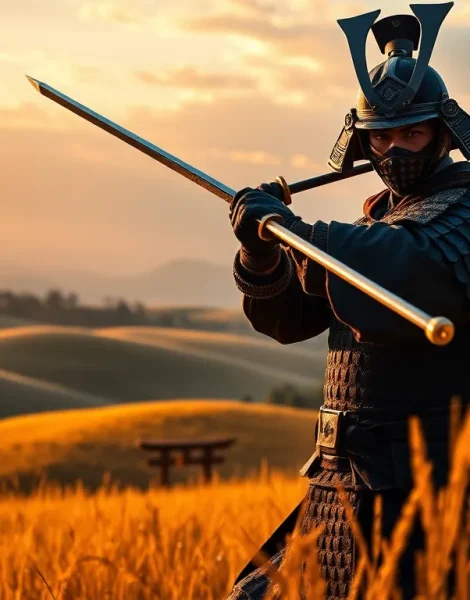
This Ghost of Tsushima guide covers everything players need to dominate feudal Japan. Sucker Punch Productions created an open-world samurai experience that rewards patience, exploration, and tactical thinking. Whether someone just started their journey as Jin Sakai or they’re returning to Tsushima Island, these tips will sharpen their skills.
The game offers multiple paths to victory. Players can charge into battle as an honorable samurai or strike from the shadows as the dreaded Ghost. This guide breaks down combat mechanics, exploration secrets, upgrade strategies, stealth techniques, and side content. Each section delivers practical advice that players can apply immediately.
Table of Contents
ToggleKey Takeaways
- Master the four combat stances—Stone, Water, Wind, and Moon—to counter specific enemy types and dominate battles in Ghost of Tsushima.
- Follow golden birds and foxes to discover hidden shrines, collectibles, and charm slots that strengthen Jin’s abilities.
- Upgrade armor sets strategically based on your playstyle, whether you prefer direct samurai combat or stealthy Ghost tactics.
- Use Ghost weapons like kunai, smoke bombs, and hallucination darts to thin enemy numbers before engaging in sword combat.
- Complete Mythic Tales and Character Tales for powerful abilities, unique armor sets, and valuable technique points.
- Explore freely and pursue side content between main missions—this Ghost of Tsushima guide emphasizes that the best rewards hide off the beaten path.
Combat Fundamentals and Stances
Combat in Ghost of Tsushima demands attention and timing. Button mashing will get Jin killed quickly. Players should learn to read enemy attacks, parry at the right moment, and counter with deadly precision.
The stance system forms the core of effective combat. Jin learns four stances throughout the game:
- Stone Stance works best against swordsmen. It breaks their guard efficiently.
- Water Stance excels against shieldmen. Heavy attacks knock shields aside.
- Wind Stance counters spearmen. Quick strikes interrupt their long-range pokes.
- Moon Stance destroys brutes. Powerful blows stagger these heavy enemies.
Players unlock new stances by observing or killing Mongol leaders. Scouting enemy camps before attacking helps identify leaders. Observing them from hiding spots grants progress toward new stances without combat.
Perfect parries and perfect dodges create openings for massive damage. The window for these moves is tight, but practice makes them second nature. Players should watch enemy weapons, the flash before a strike signals the parry timing.
Standoffs offer another combat option. Jin can challenge enemies to one-on-one duels at the start of encounters. Holding the attack button and releasing it when the enemy moves kills them instantly. Upgraded standoff skills let Jin chain multiple kills.
This Ghost of Tsushima guide recommends practicing against smaller groups before tackling large camps. Combat skills compound over time, and early frustration gives way to fluid, cinematic battles.
Exploration and Collectibles
Tsushima Island rewards curiosity. The game removes traditional waypoint markers in favor of the Guiding Wind system. Players swipe up on the touchpad, and wind blows toward their current objective. It’s elegant and keeps the screen free of clutter.
Golden birds guide players to hidden locations. Following these birds leads to shrines, collectibles, and points of interest. Foxes work similarly, they guide Jin to Inari Shrines that expand charm slots.
Key collectibles include:
- Bamboo Strikes test button-press sequences. Completing them increases Jin’s resolve, which powers healing and special attacks.
- Haiku spots let players compose poems while enjoying scenic views. Each haiku unlocks a headband cosmetic.
- Hot Springs boost maximum health. They’re scattered across the map, often in beautiful locations.
- Shinto Shrines require platforming challenges. The rewards include powerful charms that modify gameplay.
Mongol artifacts and records flesh out the story. They’re found in enemy camps and abandoned buildings. Banners can be collected and traded for cosmetic items.
The map reveals more locations as players liberate areas and speak with NPCs. Survivors often mark points of interest when Jin helps them. Clearing fog from the map becomes satisfying as Tsushima transforms from occupied territory to freed land.
Players following this Ghost of Tsushima guide should explore freely. The game hides its best moments off the beaten path.
Upgrading Jin’s Arsenal and Abilities
Jin’s equipment improves through crafting and upgrades. Players collect supplies, iron, steel, gold, and other materials from the environment and enemy camps. These resources transform Jin from a capable warrior into an unstoppable force.
Armor sets provide different bonuses:
- Samurai Clan Armor boosts health and melee damage. It’s great for direct combat.
- Ronin Attire increases resolve gains and melee damage. Balanced for varied playstyles.
- Tadayori’s Armor enhances archery. Headshots restore concentration.
- Ghost Armor terrifies enemies and boosts stealth kill streaks. Perfect for shadow tactics.
- Gosaku’s Armor staggers enemies and restores health on kills. Excellent for aggressive play.
Each armor piece can be upgraded multiple times. Higher tiers unlock additional perks and improved stats. Players should focus on one or two sets early, then diversify later.
The Technique menu contains skill trees for samurai abilities, stance upgrades, Ghost weapons, and evasion moves. Technique points come from completing tales, liberating areas, and finding certain collectibles.
Prioritize these upgrades early:
- Health and resolve increases from exploration
- Stance upgrades for enemy variety
- Ghost weapon unlocks for tactical options
- Deflection upgrades for combat survival
Charms add passive bonuses. Players can stack charms for specific builds, full stealth, maximum damage, or healing-focused setups. Inari Shrines add charm slots, making them valuable exploration targets.
This Ghost of Tsushima guide suggests checking upgrade options after each major mission. Small improvements add up quickly.
Stealth Tactics and Ghost Techniques
The Ghost playstyle offers an alternative to samurai combat. Jin can clear entire camps without drawing his sword. Some players find stealth easier than direct combat, especially on higher difficulties.
Basic stealth mechanics include:
- Crouching reduces detection speed. Tall grass provides complete concealment.
- Assassination kills unaware enemies instantly. Chain assassinations take out multiple targets.
- Distractions like wind chimes and firecrackers draw enemy attention.
Ghost weapons expand tactical options. Kunai throw quickly and kill or stagger enemies. Smoke bombs create escape opportunities and set up assassinations. Sticky bombs deal area damage. Black powder bombs devastate groups.
The blowgun becomes available later in the story. It fires darts that put enemies to sleep or cause them to hallucinate and attack allies. Hallucination darts turn enemy numbers against themselves.
Ghost Stance unlocks after enough terrifying kills. When activated, Jin becomes nearly invincible and can kill enemies with single strikes. The visual effect shows Jin’s transformation into a figure of legend and fear.
Scouting matters for stealth runs. Players should observe patrol patterns, identify alarm drums, and locate isolated targets. Mongol leaders should die early, they boost enemy morale and can call reinforcements.
Archers on towers spot Jin quickly. Taking them out first prevents alerts. Alternatively, smoke arrows can blind them temporarily.
This Ghost of Tsushima guide encourages mixing stealth and combat. Thin enemy numbers with assassinations, then finish survivors with sword work.
Side Quests and Character Tales
The main story follows Jin’s campaign against the Mongol invasion. Side content adds depth, rewards, and some of the game’s best moments.
Tales of Tsushima are side quests from island residents. They range from quick tasks to multi-part stories. Completing them grants technique points, resources, and sometimes unique items.
Mythic Tales stand out. These quests follow legends about powerful warriors and mystical techniques. Each Mythic Tale rewards Jin with special abilities or armor:
- The Heavenly Strike teaches a powerful unblockable attack.
- The Legend of Tadayori grants the archery-focused armor set.
- The Curse of Uchitsune provides a longbow with enhanced range.
- The Six Blades of Kojiro concludes with a challenging duel series.
Character Tales follow Jin’s allies. These storylines explore Masako’s revenge, Ishikawa’s hunt for his student, Yuna’s past, and Norio’s spiritual crisis. They’re well-written and provide significant rewards.
Players should pursue side content between main missions. The technique points and gear upgrades make story battles easier. More importantly, these tales show why Tsushima is worth saving.
Mongol territories contain bonus objectives. Liberating them fully requires destroying war supplies, freeing prisoners, and killing leaders. Complete liberation grants bonus resources.
This Ghost of Tsushima guide rates side content highly. Players who rush the main story miss half the game’s value.