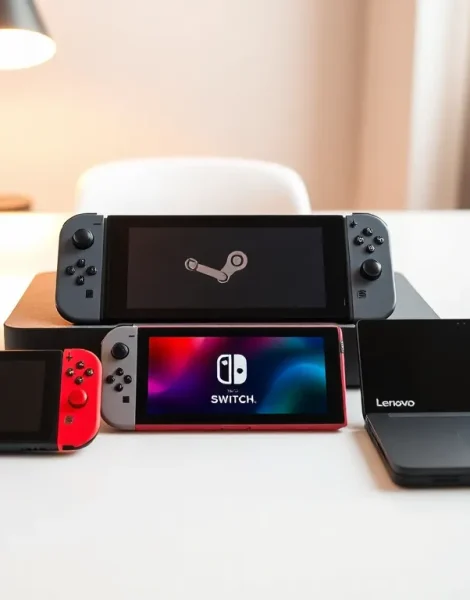
The Steam Deck vs other handheld gaming devices debate has become one of the most common discussions among portable gaming fans. With multiple options now available, choosing the right device can feel overwhelming. This guide compares the Steam Deck against the Nintendo Switch, ASUS ROG Ally, and Lenovo Legion Go. Each device has clear strengths and weaknesses. By the end, readers will know which handheld fits their gaming style and budget.
Table of Contents
ToggleKey Takeaways
- The Steam Deck vs Nintendo Switch debate comes down to PC gaming power versus exclusive Nintendo franchises like Zelda and Mario.
- Steam Deck offers the best value at $399, providing access to over 50,000 Steam games and a smooth SteamOS experience.
- The ASUS ROG Ally delivers 30-50% more graphical power than the Steam Deck but costs $200 more and has shorter battery life.
- Lenovo Legion Go features the largest display (8.8-inch) and detachable controllers, but its $699 price and heavier weight reduce portability.
- SteamOS provides a console-like, hassle-free experience, while Windows-based handhelds offer more flexibility but require more maintenance.
- Budget-conscious gamers and those with existing Steam libraries will benefit most from choosing the Steam Deck over its competitors.
Steam Deck vs Nintendo Switch
The Steam Deck vs Nintendo Switch comparison is perhaps the most popular one. Both devices target different audiences, but they share the same goal: portable gaming freedom.
Hardware and Performance
The Steam Deck runs on a custom AMD APU with 16GB of RAM. It handles AAA PC games at 720p or 800p with respectable frame rates. The Nintendo Switch uses an older NVIDIA Tegra X1 chip. It struggles with demanding titles and relies on developers to optimize games specifically for its hardware.
In raw power, the Steam Deck wins easily. Players can run games like Elden Ring, Cyberpunk 2077, and Baldur’s Gate 3. The Switch cannot play these titles natively.
Game Library
The Steam Deck accesses the entire Steam library, over 50,000 games. Players also get access to other PC storefronts like Epic Games Store, GOG, and Xbox Game Pass (via browser workarounds). The Nintendo Switch offers roughly 5,000 games, but it holds exclusive franchises like Zelda, Mario, and Pokémon. These exclusives remain the Switch’s biggest selling point.
Price and Value
The Steam Deck starts at $399 for the base model. The Nintendo Switch OLED costs $349. The Steam Deck offers more power per dollar. But, the Switch provides a polished, family-friendly experience with no setup required.
Verdict
Choose the Steam Deck for PC gaming on the go. Pick the Nintendo Switch if Nintendo exclusives matter most.
Steam Deck vs ASUS ROG Ally
The Steam Deck vs ASUS ROG Ally matchup pits Valve’s device against a Windows-based competitor. The ROG Ally launched in 2023 and quickly gained attention for its impressive specs.
Hardware and Performance
The ASUS ROG Ally uses an AMD Ryzen Z1 Extreme processor. It delivers roughly 30-50% more graphical power than the Steam Deck. The Ally also features a 1080p 120Hz display compared to the Deck’s 800p 60Hz screen. For pure performance, the ROG Ally leads.
But, the Steam Deck runs SteamOS, a Linux-based system optimized for handheld gaming. Windows on the ROG Ally can feel clunky. Some games require tweaking before they run properly.
Battery Life
The Steam Deck lasts 2-8 hours depending on the game. The ROG Ally manages 1.5-6 hours. Its higher-powered hardware drains the battery faster. Players should consider carrying a power bank for extended sessions.
Software Experience
SteamOS feels purpose-built for the Steam Deck. It boots directly into a console-like interface. The ROG Ally runs full Windows 11. This means access to all PC games and apps, but it also means dealing with Windows updates, pop-ups, and a desktop interface designed for mouse and keyboard.
Price
The Steam Deck starts at $399. The ASUS ROG Ally costs $599 for the Z1 Extreme version. The price gap is significant.
Verdict
The ROG Ally offers more raw power and a sharper screen. The Steam Deck provides a smoother user experience at a lower price. Budget-conscious gamers should lean toward the Steam Deck. Performance enthusiasts may prefer the ROG Ally.
Steam Deck vs Lenovo Legion Go
The Steam Deck vs Lenovo Legion Go comparison highlights two different design philosophies. The Legion Go takes an ambitious approach with detachable controllers and a large screen.
Hardware and Display
The Lenovo Legion Go packs an AMD Ryzen Z1 Extreme chip, the same as the ROG Ally. It features an 8.8-inch 2560×1600 display with 144Hz refresh rate. The Steam Deck uses a 7-inch 1280×800 screen at 60Hz. The Legion Go’s display is stunning, but it demands more GPU power to run games at native resolution.
Controller Design
The Legion Go’s controllers detach from the main unit. One controller can function as a vertical mouse for FPS games. This unique feature appeals to players who want desktop-like precision. The Steam Deck has fixed controls with excellent trackpads that offer mouse-like input.
Size and Portability
The Legion Go weighs 854 grams. The Steam Deck weighs 669 grams. The Legion Go’s larger form factor makes it less portable. It fits awkwardly in bags and feels heavy during long sessions.
Software
Both devices can run Windows, but the Steam Deck ships with SteamOS. The Legion Go comes with Windows 11 pre-installed. Lenovo includes Legion Space software for managing games, though it lacks the polish of SteamOS.
Price
The Lenovo Legion Go costs around $699. The Steam Deck starts at $399. The $300 difference is hard to ignore.
Verdict
The Legion Go suits players who want the largest screen and detachable controllers. The Steam Deck remains the better value for most gamers.
Key Factors to Consider Before Buying
Before choosing a handheld, buyers should evaluate several key factors.
Budget
The Steam Deck offers the lowest entry price at $399. The Nintendo Switch OLED costs $349. The ROG Ally and Legion Go cost $599-$699. Set a budget first, then compare options within that range.
Game Library Priorities
Players who want Nintendo exclusives have no choice but the Switch. Those who own large Steam libraries will benefit most from the Steam Deck. Xbox Game Pass subscribers may prefer Windows-based devices for easier compatibility.
Portability Needs
Smaller, lighter devices suit travelers. The Steam Deck and Nintendo Switch balance size and weight well. The Legion Go’s bulk makes it better for home use.
Performance Expectations
Graphics-focused players should consider the ROG Ally or Legion Go. Casual gamers will find the Steam Deck or Nintendo Switch sufficient.
Operating System Preference
SteamOS works out of the box with minimal fuss. Windows offers more flexibility but requires more maintenance. Players who dislike tinkering should stick with the Steam Deck or Switch.