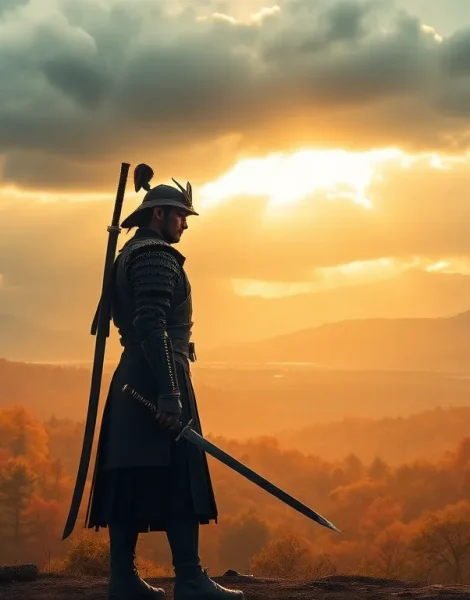
Ghost of Tsushima vs other major open-world games is a debate that keeps gamers busy. Sucker Punch Productions released this samurai action-adventure title in 2020, and it quickly became a PlayStation favorite. The game drops players into feudal Japan during the Mongol invasion, offering stunning visuals and satisfying sword combat. But how does Ghost of Tsushima stack up against other heavy hitters like Assassin’s Creed Valhalla, Sekiro, Elden Ring, and Horizon Forbidden West? Each game brings something different to the table. This comparison breaks down what makes Ghost of Tsushima unique and where its competitors shine.
Table of Contents
ToggleKey Takeaways
- Ghost of Tsushima vs Assassin’s Creed Valhalla comes down to a focused samurai experience versus a sprawling Viking RPG with 60+ hours of content.
- Unlike Sekiro and Elden Ring, Ghost of Tsushima offers adjustable difficulty settings, making it more accessible to casual players.
- Ghost of Tsushima vs Horizon Forbidden West highlights the difference between grounded historical combat and futuristic sci-fi machine hunting.
- Ghost of Tsushima’s wind-guided navigation creates an immersive, HUD-free exploration experience that sets it apart from competitors.
- Players seeking a cinematic, story-driven samurai adventure with satisfying sword combat should start with Ghost of Tsushima.
- Each game serves a different audience—choose based on your preference for difficulty, setting, and combat style.
Ghost of Tsushima vs Assassin’s Creed Valhalla
Ghost of Tsushima vs Assassin’s Creed Valhalla is a common matchup because both games feature historical settings and open-world exploration. But, they differ significantly in execution.
Ghost of Tsushima takes place on Tsushima Island during the 1274 Mongol invasion. The map is smaller than Valhalla’s but feels dense and purposeful. Players follow the wind to objectives, which eliminates cluttered HUD elements. Combat focuses on precision, timing parries and switching stances to counter different enemy types.
Assassin’s Creed Valhalla places players in 9th-century England as a Viking raider. The map is massive, spanning multiple regions across England and Norway. Combat leans toward RPG mechanics with skill trees, gear stats, and ability cooldowns. Valhalla offers more side content, including raids, settlement building, and story arcs.
Key Differences:
- Map Size: Valhalla is larger: Ghost of Tsushima is more focused
- Combat Style: Ghost of Tsushima emphasizes precision: Valhalla favors RPG systems
- Story Length: Valhalla runs 60-100+ hours: Ghost of Tsushima takes 25-50 hours
Players who prefer a streamlined samurai experience will lean toward Ghost of Tsushima. Those wanting a longer Viking adventure with RPG depth may prefer Valhalla.
Ghost of Tsushima vs Sekiro: Shadows Die Twice
Ghost of Tsushima vs Sekiro: Shadows Die Twice sparks interesting debate among action game fans. Both feature samurai combat in feudal Japan, but their approaches couldn’t be more different.
Sekiro, developed by FromSoftware, is a punishing action game built around precise deflection timing. Every enemy encounter demands focus. The game doesn’t offer difficulty settings, players either adapt or fail. Boss fights can take hours to master. Sekiro’s world is interconnected but linear, guiding players through set paths.
Ghost of Tsushima provides a more accessible experience. Combat is challenging on higher difficulties, but the game includes options for players who want to enjoy the story without frustration. The open-world structure lets players explore at their own pace, discovering haiku spots, hot springs, and side tales.
Key Differences:
- Difficulty: Sekiro is brutal and fixed: Ghost of Tsushima offers adjustable settings
- World Design: Sekiro uses interconnected levels: Ghost of Tsushima features open-world exploration
- Tone: Sekiro leans supernatural: Ghost of Tsushima stays grounded in historical drama
Sekiro rewards mastery and patience. Ghost of Tsushima rewards exploration and offers a cinematic samurai fantasy. The right choice depends on how much punishment a player enjoys.
Ghost of Tsushima vs Elden Ring
Ghost of Tsushima vs Elden Ring represents a clash between accessible open-world design and FromSoftware’s signature challenge. Both games received critical acclaim, but they serve different audiences.
Elden Ring combines Dark Souls mechanics with a massive open world created alongside George R.R. Martin. Players explore the Lands Between, fighting grotesque bosses and uncovering cryptic lore. The game offers build variety through classes, weapons, and magic. Like Sekiro, Elden Ring demands patience, dying repeatedly is part of the experience.
Ghost of Tsushima delivers a more directed narrative. Jin Sakai’s journey from honorable samurai to the “Ghost” carries emotional weight. The combat feels deliberate but forgiving compared to Elden Ring. Exploration reveals collectibles and side quests rather than hidden dungeons filled with danger.
Key Differences:
- Difficulty Curve: Elden Ring punishes mistakes heavily: Ghost of Tsushima adjusts to player preference
- Narrative Style: Ghost of Tsushima tells a clear story: Elden Ring hides lore in item descriptions
- Build Options: Elden Ring offers deep character customization: Ghost of Tsushima uses linear progression
Elden Ring suits players who crave challenge and discovery. Ghost of Tsushima appeals to those who want a beautiful, story-driven samurai adventure.
Ghost of Tsushima vs Horizon Forbidden West
Ghost of Tsushima vs Horizon Forbidden West pits two PlayStation exclusives against each other. Both showcase stunning visuals and memorable open worlds, but their settings and gameplay differ.
Horizon Forbidden West continues Aloy’s story in a post-apocalyptic world filled with robotic creatures. Combat mixes ranged attacks, traps, and melee strikes. Players target weak points on machines to bring them down efficiently. The game adds underwater exploration and expanded climbing mechanics. Its world blends lush jungles, deserts, and snowy mountains.
Ghost of Tsushima keeps everything grounded in feudal Japan. Combat centers on katana duels and stealth assassinations. The world features autumn forests, bamboo groves, and coastal villages. Jin’s story explores themes of honor and sacrifice during war.
Key Differences:
- Setting: Horizon is futuristic post-apocalypse: Ghost of Tsushima is historical Japan
- Combat Focus: Horizon emphasizes ranged weapons and traps: Ghost of Tsushima prioritizes melee
- Protagonist: Aloy is a tech-savvy hunter: Jin is a traditional warrior adapting to change
Both games look incredible on PlayStation 5. Ghost of Tsushima offers a more meditative pace. Horizon Forbidden West delivers fast-paced machine hunting with sci-fi intrigue.
Which Game Should You Play First?
Choosing between Ghost of Tsushima vs these competitors depends on personal preferences. Here’s a quick guide:
Play Ghost of Tsushima first if:
- Feudal Japan and samurai culture appeal to you
- You want satisfying sword combat without extreme difficulty
- You prefer focused open worlds over massive ones
- You enjoy cinematic storytelling with clear narrative beats
Play Assassin’s Creed Valhalla first if:
- Viking history excites you
- You want 60+ hours of content with RPG systems
- Settlement building and raids sound fun
Play Sekiro first if:
- You love punishing difficulty
- Mastering combat systems brings satisfaction
- Linear progression works better for you than open worlds
Play Elden Ring first if:
- Dark fantasy draws you in
- Character build variety matters
- You don’t mind dying repeatedly while learning
Play Horizon Forbidden West first if:
- Sci-fi settings appeal more than historical ones
- You prefer ranged combat and strategy
- You’ve already played Horizon Zero Dawn
Ghost of Tsushima stands out for its artistic direction and accessibility. It’s an excellent starting point for players new to action-adventure games.