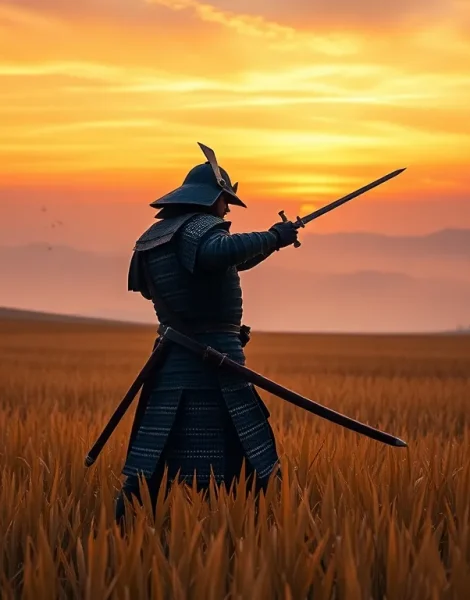
Ghost of Tsushima examples showcase why Sucker Punch Productions created one of the most visually stunning and mechanically satisfying open-world games of recent years. Released in 2020, this samurai action-adventure game drops players into feudal Japan during the Mongol invasion of 1274. Players control Jin Sakai, a samurai forced to abandon his traditional warrior code to save his homeland.
What makes Ghost of Tsushima stand out? The answer lies in its perfect blend of sword combat, stealth mechanics, and breathtaking visuals. From tense standoffs to serene bamboo forests, the game delivers memorable moments at every turn. This article breaks down specific Ghost of Tsushima examples across combat, stealth, exploration, and visual design. Each section highlights what makes this game a standout experience for players seeking an authentic samurai adventure.
Table of Contents
ToggleKey Takeaways
- Ghost of Tsushima examples demonstrate excellence through its four-stance combat system, where each stance counters specific enemy types for strategic sword fighting.
- Standoffs and duels deliver cinematic samurai experiences that test timing, patience, and mastery of combat mechanics.
- Stealth gameplay offers an alternative playstyle with Ghost weapons like kunai, smoke bombs, and a Terror mechanic that makes enemies flee in fear.
- The Guiding Wind navigation system replaces traditional minimaps, keeping players immersed in Tsushima’s stunning open world.
- Visual artistry shines through Kurosawa Mode, dynamic weather systems, and nature-driven environmental details inspired by classic samurai cinema.
- Mythic Tales stand out as the strongest Ghost of Tsushima examples of side content, offering self-contained adventures with legendary rewards.
Combat System Examples
Ghost of Tsushima examples of combat excellence start with its responsive sword-fighting system. Jin wields a katana with precision, and players can switch between four combat stances mid-battle. Each stance counters a specific enemy type. Stone stance works best against swordsmen. Water stance breaks through shieldsmen. Wind stance handles spearmen effectively. Moon stance devastates brute enemies.
The combat feels weighty and intentional. Every slash, parry, and dodge requires timing and awareness. Players who master the system can dispatch entire camps without taking damage. Those who button-mash will find themselves overwhelmed quickly.
Ghost of Tsushima examples of enemy variety keep combat fresh throughout the 40-hour campaign. Mongol soldiers range from basic infantry to heavily armored generals. Each enemy type demands different tactics. Archers require quick closing distance. Brutes need stance-switching and patience. Leaders often carry unique weapons that force players to adapt on the fly.
Standoffs and Duels
Standoffs represent some of the most cinematic Ghost of Tsushima examples in the entire game. Jin can challenge enemies to one-on-one face-offs before battle begins. Players hold the attack button while watching for the enemy’s first move. Release too early, and Jin takes damage. Time it perfectly, and the opponent falls in a single strike.
These standoffs capture the essence of classic samurai cinema. The tension builds as both warriors stare each other down. Wind blows through the grass. Music swells. Then, a flash of steel decides everything. Successfully chaining standoff kills against multiple enemies feels incredibly satisfying.
Duels take this concept further. Boss fights throughout Ghost of Tsushima pit Jin against skilled warriors in enclosed arenas. These one-on-one battles test everything players have learned. The duel against Ryuzo showcases emotional storytelling through combat. The fight with the Straw Hat ronin delivers intense mechanical challenge. Each duel tells a story while demanding player skill.
Stealth Gameplay Examples
Ghost of Tsushima examples of stealth gameplay offer an alternative to direct combat. Jin can become the “Ghost”, a shadowy figure who strikes from darkness. This approach contradicts his samurai training but proves effective against overwhelming odds.
Players can crouch through tall grass, scale buildings, and assassinate enemies silently. The game provides numerous Ghost weapons to support this playstyle. Kunai throwing knives eliminate distant targets. Smoke bombs create escape opportunities. Wind chimes distract guards from their posts. Sticky bombs clear groups of clustered enemies.
Mongol camps serve as perfect stealth playgrounds. Each camp contains multiple entry points, patrol routes, and environmental hazards. Players can scout from elevated positions before infiltrating. A well-planned approach might clear an entire camp without raising any alarms.
Ghost of Tsushima examples of stealth storytelling appear through the “Terror” mechanic. When Jin kills enemies from the shadows, survivors become afraid. Frightened Mongols hesitate, miss attacks, and sometimes flee entirely. The game makes players feel like a vengeful spirit haunting the invaders.
The tension between samurai honor and Ghost tactics creates compelling gameplay choices. Direct confrontation feels noble but risky. Stealth feels effective but dishonorable. Ghost of Tsushima lets players blend both approaches or commit fully to one philosophy.
Exploration and Open World Examples
Ghost of Tsushima examples of open-world design reject modern gaming conventions. The game contains no minimap cluttering the screen. Instead, the “Guiding Wind” system points players toward objectives. Swiping up on the controller summons wind that flows toward the current destination. This simple mechanic keeps players immersed in the world rather than staring at UI elements.
Tsushima island spans three distinct regions. The southern Izuhara region features lush farmlands and golden forests. The central Toyotama region contains swamps, waterfalls, and dense woodlands. The northern Kamiagata region delivers harsh snow-covered mountains. Each area feels unique and rewards exploration.
Animals guide players to hidden discoveries. Following foxes leads to Inari shrines that upgrade charm capacity. Tracking yellow birds reveals hidden locations, collectibles, and points of interest. These natural guides replace intrusive waypoint systems found in other open-world games.
Ghost of Tsushima examples of side content include hot springs, haiku locations, and bamboo strikes. Hot springs boost maximum health while Jin reflects on his journey. Haiku composition spots let players create poetry by observing nature. Bamboo strike challenges test reflexes through quick-time button sequences.
Mythic Tales represent the strongest Ghost of Tsushima examples of side quests. These multi-part stories send Jin searching for legendary armor and weapons. Each tale feels like a self-contained adventure with unique rewards and memorable characters.
Visual and Artistic Examples
Ghost of Tsushima examples of visual artistry establish the game as one of the most beautiful ever made. Art director Jason Connell and his team drew inspiration from classic samurai films. Directors like Akira Kurosawa influenced everything from camera angles to color grading.
The game includes a “Kurosawa Mode” that transforms visuals entirely. This black-and-white filter adds film grain, adjusts contrast, and modifies audio. Playing in Kurosawa Mode feels like stepping into a 1950s samurai epic. Ghost of Tsushima earned praise from the Kurosawa estate for this respectful tribute.
Nature dominates the visual design. Pampas grass sways in persistent winds. Maple leaves scatter across battlefields during autumn sequences. Cherry blossoms drift through spring scenes. These environmental details create moments of genuine beauty between violent encounters.
Ghost of Tsushima examples of lighting showcase technical excellence. Sunsets paint landscapes in orange and purple hues. Storms darken skies and create dramatic combat scenarios. Moonlight illuminates nighttime stealth missions with silver tones. The photo mode lets players capture these moments with extensive camera controls.
Character armor and weapon designs reflect historical accuracy mixed with artistic flair. Jin can wear dozens of armor sets ranging from practical to ceremonial. Each set changes his appearance dramatically while providing gameplay bonuses. The attention to period-appropriate details impressed historians and casual players alike.