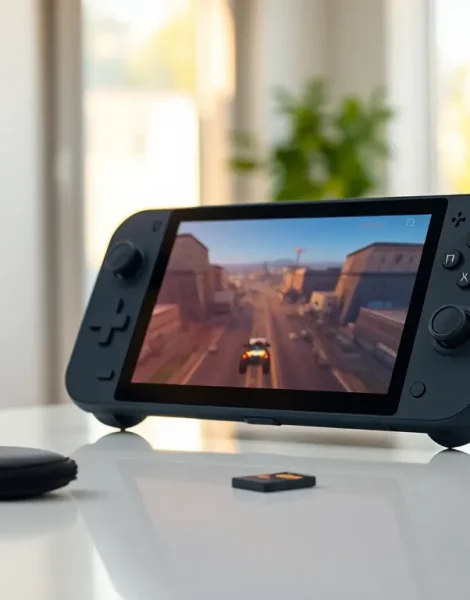
Choosing the top Steam Deck model in 2025 depends on budget, gaming habits, and display preferences. Valve now offers multiple versions of its popular handheld gaming PC, and each one serves a different type of player. This guide breaks down the key differences between Steam Deck models, highlights the best picks for various needs, and covers the factors that matter most before making a purchase. Whether someone wants solid performance at a lower price or the best possible portable gaming experience, there’s a Steam Deck that fits.
Table of Contents
ToggleKey Takeaways
- The top Steam Deck for most gamers in 2025 is the OLED 512GB, offering the best balance of display quality, battery life, and price.
- Steam Deck OLED models feature a larger 7.4-inch HDR display with 90Hz refresh rate and 30-50% longer battery life than LCD versions.
- The 1TB OLED is the top Steam Deck for enthusiasts who want maximum storage and an anti-glare etched screen for outdoor gaming.
- Budget-conscious buyers can save money with refurbished LCD models starting around $350 while still playing the same games.
- Consider your primary use case—portable gamers benefit most from OLED upgrades, while desk-bound players may prefer the LCD to save money.
- All Steam Deck models support microSD cards up to 1TB for expanded storage, and thousands of games carry Valve’s “Verified” compatibility badge.
Steam Deck LCD vs. Steam Deck OLED
The top Steam Deck options fall into two main categories: LCD and OLED. Understanding the differences helps buyers pick the right device.
Display Quality
The Steam Deck LCD uses a 7-inch IPS screen with a 60Hz refresh rate. Colors look good, but blacks appear slightly washed out compared to OLED technology. The Steam Deck OLED features a larger 7.4-inch HDR OLED display with a 90Hz refresh rate. This screen delivers true blacks, vibrant colors, and smoother motion during gameplay.
Battery Life
Valve improved the OLED model’s battery. It holds 50Wh compared to the LCD’s 40Wh. In practice, the OLED version lasts 30-50% longer on a single charge, depending on the game. For players who travel frequently or game away from outlets, this difference matters.
Storage and Speed
Both Steam Deck models offer various storage tiers. The OLED version comes with faster NVMe SSDs across all configurations. Load times feel snappier, and game installations finish quicker. The LCD model’s base version originally shipped with slower eMMC storage, though Valve has updated this over time.
Build and Comfort
The OLED Steam Deck weighs slightly less than the LCD version. Valve also refined the thumbsticks and added a larger, more responsive touchscreen. These changes make extended gaming sessions more comfortable.
Price Comparison
The LCD model costs less upfront. Refurbished LCD units from Valve offer even better value for budget-conscious buyers. The OLED version carries a premium price, but the upgrades justify the cost for many gamers.
Best Steam Deck for Most Gamers
For most people, the Steam Deck OLED 512GB hits the sweet spot. It offers the upgraded display, better battery, and enough storage for a solid game library without pushing into the highest price tier.
This top Steam Deck choice works well for casual and dedicated gamers alike. The 512GB SSD holds around 10-15 AAA games or dozens of indie titles. Players who need more space can add a microSD card, the Steam Deck supports cards up to 1TB.
The 90Hz OLED screen makes action games feel responsive. Titles like Hades 2, Elden Ring, and Baldur’s Gate 3 look stunning on this display. The improved battery means less anxiety about finding a charger during long sessions.
Gamers who mostly play at home might consider the LCD model to save money. But for anyone who plans to use their Steam Deck on commutes, flights, or around the house, the OLED 512GB delivers the best balance of features and price.
Valve’s Verified system also helps new owners find games that run well. Thousands of titles carry the “Steam Deck Verified” or “Playable” badge, so buyers won’t struggle to find compatible games.
Best Steam Deck for Premium Experience
The Steam Deck OLED 1TB stands as the top Steam Deck for enthusiasts who want everything. This model includes all the OLED upgrades plus double the storage of the mid-tier option.
With 1TB of internal storage, players can install massive game libraries without constant management. Modern games often exceed 100GB each, Call of Duty titles, Starfield, and Cyberpunk 2077 eat storage fast. The 1TB model reduces the need to delete and reinstall games regularly.
This version also features an anti-glare etched glass screen. Outdoor gaming or playing near bright windows becomes much easier. The etched finish reduces reflections without significantly impacting image quality.
The 1TB Steam Deck OLED costs more than other options, but it eliminates common frustrations. Storage anxiety disappears. The display performs well in any lighting condition. And buyers get the complete package without needing accessories or upgrades later.
For collectors with large Steam libraries or players who switch between many games, this top Steam Deck model pays off over time.
Key Factors to Consider Before Buying
Several factors should guide any Steam Deck purchase decision.
Budget
Steam Deck prices range from around $350 for refurbished LCD models to $650 for the 1TB OLED. Buyers should set a realistic budget before shopping. The LCD version still plays the same games, just with a less impressive screen and shorter battery life.
Primary Use Case
Someone who games mostly at a desk with a monitor might not need the OLED display. But portable-first users will appreciate every OLED upgrade. Consider where and how often the device will see use.
Storage Needs
Players with small, curated libraries can get by with 256GB or 512GB plus a microSD card. Those who install many large games should lean toward the 1TB model or plan for external storage solutions.
Game Compatibility
Most Steam games work on Steam Deck, but some titles have issues. Checking Valve’s compatibility database before buying helps set realistic expectations. Anti-cheat software in certain multiplayer games can cause problems.
Accessories
A carrying case, dock, or external controller might add to the total cost. Valve sells official accessories, and third-party options exist at various price points. Factor these into the budget if needed.