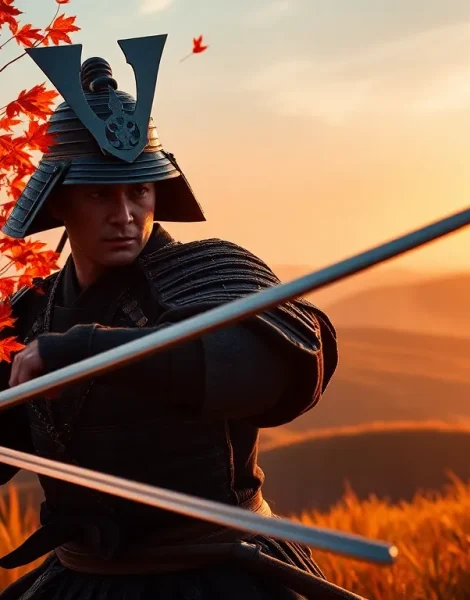
Top Ghost of Tsushima players share one thing in common: they understand the game’s core systems inside and out. This open-world action game from Sucker Punch Productions drops players into feudal Japan during the Mongol invasion of 1274. Players control Jin Sakai, a samurai who must choose between honor and survival.
The game rewards skill, patience, and smart decision-making. Combat feels punishing at first. Exploration can seem overwhelming with so many question marks dotting the map. Boss fights will crush unprepared players repeatedly.
This guide breaks down the top Ghost of Tsushima strategies that separate beginners from seasoned warriors. From combat stances to hidden collectibles, these tips will help any player become the Ghost that Tsushima needs.
Table of Contents
ToggleKey Takeaways
- Top Ghost of Tsushima players master the four combat stances—Stone, Water, Wind, and Moon—to counter specific enemy types effectively.
- Perfect parries and dodges are essential skills that create attack windows and deal extra stagger damage against enemies.
- Prioritize upgrading your katana first for maximum damage output, then focus on tanto for increased resolve and healing.
- Use environmental clues like foxes, golden birds, and the guiding wind to discover hidden shrines, charms, and collectibles across Tsushima.
- Patience and pattern recognition win duels—stay at medium range, parry instead of blocking, and save resolve for healing and mythic techniques.
- Equip the Charm of Mizu-no-Kami to widen parry and dodge windows, especially during challenging boss fights.
Essential Combat Techniques Every Samurai Should Know
Combat in Ghost of Tsushima operates on precision timing and smart stance selection. Button mashing leads to quick deaths. The game demands players learn its rhythm and respect enemy patterns.
Parrying sits at the heart of effective combat. Players should tap L1 right before an enemy attack lands. A successful parry staggers the attacker and opens them up for a devastating counterattack. Blue glint attacks can be parried. Red glint attacks cannot, dodge those instead.
Perfect parries deal extra stagger damage and look incredibly satisfying. Practice this timing against basic Mongol soldiers before facing tougher enemies.
Perfect dodges also reward good timing. Dodging at the last possible moment slows time briefly, letting players land free hits. This technique works especially well against unblockable attacks.
Standoffs offer another powerful tool. Holding up on the d-pad initiates a standoff where Jin faces an enemy one-on-one. Release the attack button the instant the enemy moves. A successful standoff kills the enemy instantly and terrifies nearby foes. Later upgrades let players chain multiple standoff kills together.
Mastering the Stance System
The stance system separates good Ghost of Tsushima players from great ones. Jin learns four stances throughout the game, and each stance counters a specific enemy type.
Stone Stance works best against swordsmen. Its heavy attack breaks through their guard quickly. Water Stance destroys shieldmen, the heavy attack sequence rips shields away and leaves enemies defenseless. Wind Stance handles spearmen effectively with its quick, precise strikes. Moon Stance devastates brutes and their heavy weapons.
Players unlock new stances by observing or killing Mongol leaders. Seek out enemy camps and look for leaders through the spyglass. Observing them without being detected grants bonus progress toward the next stance.
Switch stances mid-combat by holding R2 and pressing the corresponding face button. Top Ghost of Tsushima players swap stances constantly during fights, matching their approach to each enemy type. A mixed group of Mongols requires fluid stance changes to handle efficiently.
Don’t neglect stance upgrades. Each stance has its own skill tree with powerful abilities. Water Stance’s spinning attack can hit multiple enemies. Moon Stance’s typhoon kick sends brutes flying.
Best Charms and Gear Upgrades to Prioritize
Charms provide passive bonuses that stack together for powerful builds. Players find charms in hidden shrines, fox dens, and as quest rewards. Some charms deserve immediate attention.
The Charm of Inari increases the resources Jin collects. Grab this early and keep it equipped during exploration. More resources mean faster gear upgrades. The Charm of Mizu-no-Kami boosts perfect parry and dodge windows, perfect for players still learning combat timing.
For aggressive players, the Charm of Ferocity increases damage on melee kills. Pair it with the Charm of Carnage for even more damage after each kill. This combination turns Jin into an unstoppable force during large battles.
Stealth-focused players should prioritize the Charm of Shadows and Charm of Unseen Respite. These increase assassination damage and restore health during stealth kills respectively.
Gear upgrades follow a clear priority. Upgrade the katana first, always. Higher katana levels deal more damage and increase enemy stagger. The Sakai Katana should reach maximum level before anything else.
Tanto upgrades increase resolve, which powers special abilities and healing. More resolve means more healing mid-combat. Bow upgrades come next, especially for players who enjoy ranged combat.
Armor choice matters significantly. The Ronin Attire boosts melee damage and resolve gains, ideal for head-on combat. Ghost Armor enhances stealth kills and terrifies enemies. The Sakai Clan Armor makes standoffs deadlier. Match armor to playstyle and upgrade the chosen set fully before spreading resources around.
Exploration Tips for Finding Hidden Secrets
Tsushima Island hides countless secrets across its stunning landscape. Top Ghost of Tsushima players learn to read environmental clues instead of relying solely on the map.
Follow the wind. Swiping up on the touchpad summons a guiding wind that points toward the current objective. But wind also leads to nearby collectibles and points of interest when players set a custom marker.
Foxes lead Jin to Inari Shrines. Spot a fox and follow it, don’t lose sight. Each shrine rewards a charm slot or charm upgrade. More slots mean more passive bonuses stacking together.
Golden birds guide players to hidden locations. These yellow songbirds appear throughout the world and chirp loudly to grab attention. Following them reveals shrines, side quests, collectibles, and other discoveries.
Smoke on the horizon usually indicates a Mongol camp or occupied village. Liberating these locations clears fog from the map and often unlocks fast travel points.
Hot springs restore maximum health permanently. Look for steam rising from rocky areas. Jin reflects on his journey during these moments, and players gain a small but meaningful health boost.
Bamboo strikes test reflexes and reward resolve increases. Find bamboo stands near settlements and complete the button-pressing minigame. The sequences get harder with each upgrade but the resolve boost is worth the effort.
Haiku locations sit at scenic viewpoints marked by mats and headbands. Creating haiku rewards cosmetic headbands. These spots also offer some of the game’s most beautiful views.
Shrine climbing challenges hide powerful charms. Look for torii gates leading up mountainsides. These platforming sections reward exploration with unique charms unavailable elsewhere.
How to Dominate Duels and Boss Fights
Duels strip away Ghost tools and force pure sword combat. These one-on-one battles test everything players have learned. Top Ghost of Tsushima duelists share common habits.
Patience wins duels. Rushing in leads to quick deaths. Watch the enemy’s pattern first. Most duel opponents telegraph their attacks clearly. Learn which attacks can be parried, which must be dodged, and which openings allow counterattacks.
Stay at medium range. Too close limits reaction time. Too far lets enemies close distance aggressively. Medium range gives enough time to read incoming attacks while staying ready to punish mistakes.
Parry over block whenever possible. Blocking drains stamina and eventually breaks Jin’s guard. Parrying staggers enemies and creates attack windows. Perfect parries deal significant stagger damage and often set up heavy attack combos.
Use all available tools. Duels allow sword techniques but disable Ghost weapons. But, mythic techniques still work. The Heavenly Strike deals massive damage and can interrupt certain enemy attacks. Save resolve for healing and these special moves.
Boss fights follow similar principles but add complexity. Many bosses have multiple health bars and change patterns as the fight progresses. What worked in phase one might fail in phase two.
Study each phase independently. Die a few times on purpose just to observe new attack patterns. This knowledge pays off during serious attempts.
The Charm of Mizu-no-Kami helps tremendously during boss fights by widening parry and dodge windows. Equip it for tough encounters.
Don’t feel ashamed to lower the difficulty for frustrating fights. Ghost of Tsushima allows difficulty changes at any time. Experiencing the story matters more than proving something to nobody.