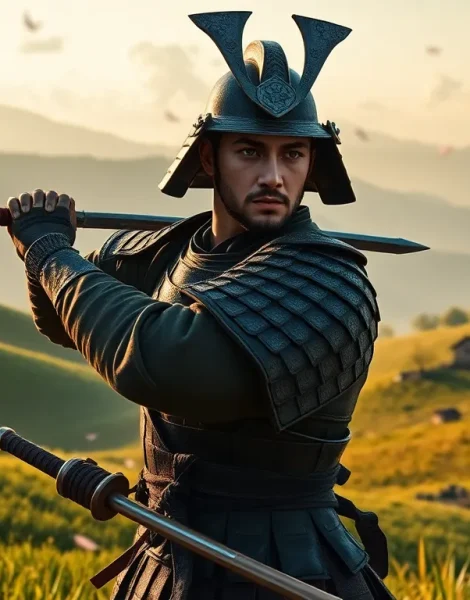
Ghost of Tsushima tips can transform a struggling samurai into a legendary warrior. This open-world action game from Sucker Punch Productions drops players into feudal Japan during the Mongol invasion of 1274. Jin Sakai must defend Tsushima Island using both honorable samurai combat and shadowy ghost tactics. The learning curve can feel steep at first. Enemies hit hard, resources seem scarce, and the skill tree branches in multiple directions. This guide covers the essential strategies players need to survive and thrive on Tsushima Island.
Table of Contents
ToggleKey Takeaways
- Master all four sword stances in Ghost of Tsushima—each counters a specific enemy type, and switching mid-combat is essential for surviving group fights.
- Perfect parrying staggers enemies and opens them up for devastating counterattacks, so practice the timing against basic soldiers first.
- Explore thoroughly using environmental cues like wind direction, golden birds, and foxes to discover hidden upgrades, shrines, and hot springs.
- Prioritize upgrading one or two armor sets early and unlock chain assassination to quickly clear enemy camps during stealth.
- Combine samurai honor with ghost tactics—use stealth assassinations to thin enemy numbers, then challenge leaders to honorable standoffs.
- Complete Mythic Tales to unlock legendary weapons and powerful techniques like Heavenly Strike that can turn difficult battles in your favor.
Combat Techniques to Improve Your Skills
Combat in Ghost of Tsushima rewards patience and observation. Button-mashing leads to quick deaths, especially on higher difficulty settings. The game features four sword stances, each designed to counter specific enemy types.
Stone Stance works best against swordsmen. Water Stance breaks through shielded enemies. Wind Stance handles spearmen effectively. Moon Stance crushes brutes and heavily armored foes. Switching stances mid-combat becomes essential during group fights. Players can hold R2 and press the corresponding face button to swap instantly.
Parrying and perfect parrying separate good players from great ones. A standard parry blocks incoming attacks. A perfect parry, timed at the last possible moment, staggers enemies and opens them up for devastating counterattacks. The visual cue is a brief flash before an enemy strikes. Practice this timing against basic Mongol soldiers before tackling leaders.
One of the most useful Ghost of Tsushima tips involves the standoff mechanic. Jin can challenge enemies to one-on-one duels by pressing up on the D-pad when approaching a group. Hold triangle, then release when the enemy attacks. A successful standoff kills instantly and terrifies nearby foes. Upgrades allow multiple kills in a single standoff.
Dodging matters as much as blocking. Some attacks cannot be parried, these show a red indicator. Roll away from unblockable strikes and punish the recovery window. The Heavenly Strike technique deals massive damage and can break through enemy guards when they turtle up.
Exploration and Resource Gathering
Tsushima Island hides secrets everywhere. The game uses environmental cues instead of traditional markers. Wind direction guides players toward objectives. Golden birds lead to hidden locations. Foxes reveal Inari Shrines that increase charm slots.
Collecting supplies, bamboo, and other materials requires consistent exploration. Supplies upgrade armor and weapons. Bamboo appears at bamboo strikes, short minigames that test reflexes and boost resolve. Flowers customize armor colors and sword kits.
Hot springs increase maximum health. Players find these by looking for steam rising from rocky areas. Each hot spring also triggers a reflection moment where Jin contemplates his journey.
Shinto Shrines offer some of the best rewards in the game. These platforming challenges sit atop mountains and cliffs. Completing a shrine grants powerful charms that provide passive bonuses. The climb can feel tricky, but the rewards justify the effort.
Another key Ghost of Tsushima tip: clear Mongol territories early. Liberating farms and villages unlocks fast travel points and vendors. The map feels massive at first. Having multiple fast travel options saves significant time.
Haiku spots dot the landscape as well. These quiet moments let players compose poetry while admiring scenic views. Completing haikus unlocks headbands with various stat bonuses. They’re easy to miss but worth seeking out.
Upgrading Your Gear and Abilities
Jin’s effectiveness depends heavily on gear upgrades and ability unlocks. The game offers multiple armor sets, each suited to different playstyles.
The Samurai Clan Armor boosts health and reduces damage. The Ronin Attire improves stealth detection speed. The Traveler’s Attire reveals nearby collectibles on the map, perfect for completionists. Ghost Armor enhances stealth kills and terrifies enemies.
Players upgrade armor at armorsmiths using supplies and other materials. Each upgrade tier significantly improves the armor’s base stats and special abilities. Prioritize one or two sets initially rather than spreading resources thin.
Techniques unlock through the skill tree using technique points earned from story missions, side tales, and liberating camps. Ghost of Tsushima tips often emphasize unlocking the chain assassination ability early. This technique allows Jin to kill multiple enemies in quick succession during stealth.
Resolve serves as Jin’s special resource. It powers healing and mythic techniques. Upgrading resolve capacity at bamboo strikes and unlocking resolve-generation perks keeps Jin fighting longer.
Charms provide passive bonuses when equipped. Some increase damage against certain enemy types. Others boost stealth, defense, or resource acquisition. Mix and match charms based on the upcoming mission. A stealth-focused loadout differs dramatically from a head-on combat build.
Legendary items require completing Mythic Tales, special quests found through musicians across the island. These tales reward unique weapons and abilities. The Heavenly Strike and Dance of Wrath techniques come from Mythic Tales and can turn the tide of difficult fights.
Stealth Versus Direct Confrontation
Ghost of Tsushima presents players with a core philosophical choice: fight with honor or embrace the shadows. Both approaches work, and the best players combine them.
Stealth assassination chains clear camps quickly. Tall grass provides cover. Wind chimes and firecrackers distract guards. Smoke bombs break line of sight. Players can approach a fortified position, assassinate perimeter guards silently, then challenge the leader to an honorable standoff.
Ghost weapons add tactical options. Kunai interrupt enemy attacks and deal damage. Sticky bombs clear groups. Black powder bombs stagger multiple targets. The blowgun poisons enemies or puts them to sleep.
Direct confrontation feels satisfying but carries risk. Fighting multiple enemies at once requires excellent stance switching and defensive timing. Archers and brutes complicate group fights. Take out ranged threats first whenever possible.
One practical Ghost of Tsushima tip: use the environment. Explosive barrels deal massive area damage. Alarm bells summon reinforcements, destroy them before engaging. High ground provides assassination opportunities.
The game doesn’t penalize either approach mechanically. Jin’s internal struggle between samurai honor and ghost tactics drives the narrative, but players maintain full freedom. Some missions require stealth. Others demand open combat. Adapting to each situation yields the best results.
Terror mechanics favor aggressive ghost tactics. Killing enemies with ghost weapons or assassination chains builds terror. Terrified enemies flee or surrender, reducing the number of active threats.