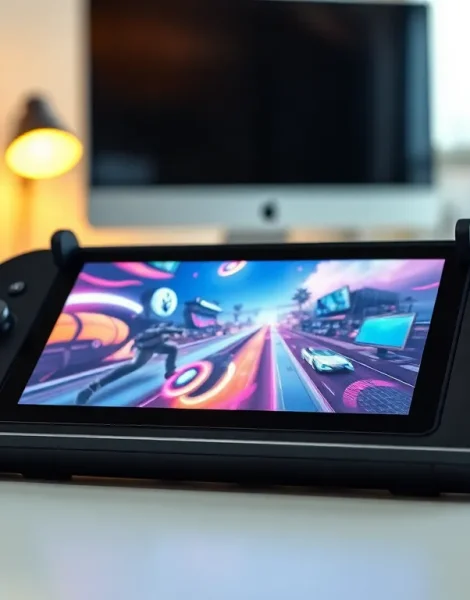
Finding the best Steam Deck depends on budget, display preferences, and gaming habits. Valve’s handheld PC has become a favorite among portable gaming enthusiasts since its 2022 launch. The lineup now includes two main options: the original LCD model and the newer OLED version. Each Steam Deck offers the same core gaming experience, but important differences exist in screen quality, battery life, and price. This guide breaks down the specs, value, and ideal buyers for each model to help shoppers make an well-informed choice.
Table of Contents
ToggleKey Takeaways
- The best Steam Deck choice depends on your budget, display preferences, and how often you play.
- The Steam Deck OLED offers a superior 7.4-inch HDR screen, 50Wh battery, and Wi-Fi 6E, while the LCD model remains a solid budget-friendly option.
- Both models share the same AMD APU, delivering identical gaming performance across your entire Steam library.
- The OLED version provides 30-50% longer battery life, making it ideal for travelers and extended gaming sessions.
- Budget buyers should consider the LCD or refurbished models, while enthusiasts will appreciate the OLED’s premium upgrades.
- A Steam Deck 2 may arrive in late 2025 or 2026, but the current OLED remains an excellent choice for serious portable gamers.
Steam Deck LCD vs. Steam Deck OLED
The best Steam Deck for any buyer starts with understanding what separates these two devices. The LCD model launched first and uses a 7-inch IPS display with 1280×800 resolution. It delivers solid visuals but lacks the deep blacks and vibrant colors that OLED technology provides.
Valve released the Steam Deck OLED in November 2023. This version features a larger 7.4-inch OLED screen with HDR support and a 90Hz refresh rate. The display upgrade is immediately noticeable. Colors pop, blacks look truly black, and games feel smoother thanks to the higher refresh rate.
Beyond the screen, the OLED model includes several hardware improvements:
- Larger battery: 50Wh compared to 40Wh in the LCD version
- Faster Wi-Fi 6E: Better download speeds and lower latency
- Lighter weight: About 30 grams lighter even though the bigger screen
- Improved cooling: A redesigned fan runs quieter during gameplay
The LCD Steam Deck still performs well for most games. It runs the same SteamOS and handles the same library of titles. But, anyone who values visual quality will notice the OLED’s advantages immediately.
For buyers on a budget, the LCD model remains a strong choice. The Steam Deck OLED commands a premium, but that premium buys meaningful upgrades across multiple areas.
Key Specs and Performance Breakdown
Both Steam Deck models share the same custom AMD APU. This chip combines a Zen 2 CPU with RDNA 2 graphics. Games run identically on either device from a pure performance standpoint.
Core Specifications
| Feature | Steam Deck LCD | Steam Deck OLED |
|---|---|---|
| Display | 7″ LCD, 60Hz | 7.4″ OLED, 90Hz |
| Resolution | 1280×800 | 1280×800 |
| Storage | 64GB/256GB/512GB | 512GB/1TB |
| Battery | 40Wh | 50Wh |
| Weight | 669g | 640g |
| Wi-Fi | Wi-Fi 5 | Wi-Fi 6E |
The best Steam Deck for performance-focused gamers delivers identical frame rates regardless of which model they choose. Elden Ring, Baldur’s Gate 3, and other demanding titles run the same way on both devices.
Battery life tells a different story. The OLED version lasts 30-50% longer during typical gaming sessions. The larger battery combined with a more efficient screen creates this advantage. Players can expect 3-4 hours on demanding games with the LCD model versus 4-6 hours on the OLED.
Storage options also differ. The LCD model offers 64GB, 256GB, or 512GB configurations. The OLED starts at 512GB and offers a 1TB option. Both models support microSD cards for expansion, so storage limits rarely become a problem.
The 90Hz display on the OLED model improves gameplay smoothness. Games that hit 70-90 fps feel noticeably better than they would capped at 60Hz on the LCD screen. This matters most in fast-paced action games and shooters.
Which Steam Deck Offers the Best Value?
Value depends on priorities. The LCD Steam Deck delivers excellent gaming per dollar spent. Buyers can find the 512GB LCD model at significant discounts, sometimes $100-150 below its original price.
The Steam Deck OLED starts at $549 for the 512GB version and $649 for the 1TB model. These prices reflect the upgraded display, battery, and other improvements.
Here’s how the value breaks down:
Best Steam Deck for budget buyers: The LCD model wins clearly. It plays the same games, runs the same software, and costs less. For first-time handheld PC buyers or those testing the format, this represents the smart choice.
Best Steam Deck for enthusiasts: The OLED justifies its cost. The screen quality alone transforms the gaming experience. Add better battery life and faster downloads, and the premium feels reasonable.
Best Steam Deck for long-term ownership: OLED technology ages better than LCD panels. The newer model will likely feel current for longer, making it a better investment for buyers who keep devices for several years.
Refurbished LCD models offer another option. Valve sells certified refurbished units at reduced prices with full warranties. This path provides the best Steam Deck value for extremely budget-conscious shoppers.
The 1TB OLED model makes sense for players with large game libraries who want to avoid microSD card juggling. That extra $100 buys significant convenience.
Who Should Buy Each Model?
Different buyers need different things from their Steam Deck. Here’s a quick breakdown by user type.
Steam Deck LCD Buyers
- Casual gamers who play a few hours weekly
- Budget-conscious buyers who want PC gaming portability without premium costs
- Newcomers testing whether handheld PC gaming fits their lifestyle
- Secondary device owners who already have a gaming PC or console
The LCD model handles everything from indie games to AAA titles. It just does so with a less impressive screen and shorter battery life.
Steam Deck OLED Buyers
- Daily players who game for extended sessions
- Visual quality enthusiasts who notice and appreciate better displays
- Travelers who need longer battery life away from outlets
- Primary device users who rely on Steam Deck as their main gaming platform
The best Steam Deck for serious portable gaming is the OLED version. Its improvements address real pain points from the original model.
Consider Waiting If…
Rumors suggest Valve is developing a Steam Deck 2 with upgraded processing power. Buyers who don’t need a device immediately might wait for announcements. But, the current OLED model remains excellent, and a successor likely won’t arrive until late 2025 or 2026.